

Linkedin Blog Posts
Our LinkedIn series shares reflections from PCCS’s journey—grounded in 25 years of person-centered practice. These posts explore how PCCS values have shaped decisions big and small, from how we design supports to how we listen, lead, and evolve. Rooted in the belief that people with intellectual and developmental disabilities are experts in their own lives, the series highlights lessons learned, challenges to traditional systems, and PCCS’ ongoing commitment to dignity, voice, and choice.

cRis marchioNNe
MA (she/they), founder/executive director
PCCS at 25: A Reflection on Person-Centered Care and Belonging
Read the full article on Linkedin…
Person-centered care has never been a program at PCCS—it has been our compass. From the beginning, we rejected systems that asked people to fit into services, and instead built services that fit people. Over the last 25 years, this approach has shaped every decision we’ve made: how we hire and train staff, how we design supports, how we spend resources, and how we measure success. As PCCS grew—from a small, community-based organization to one supporting more than 1,000 people across multiple counties—we stayed grounded in the belief that people with intellectual and developmental disabilities are experts in their own lives. Person-centered care pushed us to listen more deeply, slow down when systems demanded speed, and challenge practices rooted in convenience rather than dignity. It also required us to evolve—embracing self-direction, community-based supports, and leadership models that center voice, choice, and equity.
January, 2026
Alexa Donnelly
(LCSW), Deputy Executive Director
What an Inclusive Workforce Means to Me at PCCS
Read the full article on Linkedin…
For me, an inclusive workforce at PCCS means creating a culture where people feel respected, supported, and valued no matter what role they hold. I started my career as a DSP, and now I serve as Deputy Executive Director, so I’ve experienced the organization from very different vantage points. Inclusion isn’t just about representation—it’s about whether people feel safe speaking up, whether their experiences are taken seriously, and whether they have real opportunities to grow.
Many of PCCS' administrative and leadership staff began as DSPs, and that matters because it keeps our decision-making grounded in the realities of the work. When staff feel included and supported, it directly impacts the quality of support we provide to the people we serve.
February, 2026

Nisha Tumber
(LMSW), Director of Outreach & Engagement
Celebrating Women’s History Month: Leadership and Inclusion at PCCS
Read the full article on Linkedin…
Each March, Women's History Month invites us to reflect on the leadership, resilience, and impact of women across every field. In social services, women have long stood at the forefront of advocacy, care, and systems change.
At Person Centered Care Services, that leadership is visible every single day.
Out of 1,094 employees, 777 identify as women — more than 70% of our workforce. Of those, 426 identify as women of color, bringing diverse cultural perspectives and lived experiences that strengthen how we deliver person-centered, dignified support.
March, 2026

Jaimee Wieber (she/they)
Outreach & Engagement Coordinator
Belonging Beyond Inclusion
Read the full article on Linkedin…
Belonging is more than surface-level inclusion. For people with developmental disabilities, true belonging goes beyond being invited into a space; it is about being fully recognized as valued, contributing, and essential members of a community. It is the feeling of being wanted, needed, and prioritized, rather than tolerated or treated as an afterthought.
True belonging goes beyond accommodation; it centers understanding. While accessibility and inclusion are critical foundations, belonging requires genuine connection, mutual respect, and shared responsibility. It means being trusted with meaningful roles, being held accountable, and having one’s voice actively heard and considered. In spaces where belonging is present, people are seen as whole people with ideas, goals, and the ability to contribute in meaningful ways.
April, 2026
Dee Neske
Disability Ally Trainer
Belonging is Responsibility
Read the full article on Linkedin…
When I think of true belonging, I think of all the people and accessories that we must have in place to take my son anywhere outside of the house. He can be invited to a movie, and you may even have fun with him, but are you prepared to manage his wheelchair, feed him a snack and give him something to drink, change his diaper and make sure that he is safe? My son is not an infant, he is fifteen years old. Many people think they know what it is like to take care of someone with a disability. When faced with the reality, suddenly that invitation gets retracted fairly quickly.
Belonging is being with people who can take care of you in the way you need to be taken care of. Being included is getting an invitation, then not having anyone take responsibility for your well being so you can’t participate after all.
April, 2026

Giovanella Stewart
Communications Specialist
Partnering for Inclusion: Corporate Allies and Sponsors
Read the full article on Linkedin…
Over the last 25 years, Person Centered Care Services (PCCS) has supported people with intellectual and developmental disabilities (IDD) by driving social change rooted in support, equity, and acceptance. By amplifying the voices of people with IDD and creating pathways to independence, employment, and community belonging, PCCS has helped reshape how inclusion is understood and practiced. This commitment extends to corporate partnerships that move beyond transactional support toward collaborative efforts that expand opportunity, advance workplace inclusion, and strengthen communities.
May, 2026
Michelle Wenig
(Operations & Administration Associate)
Building a Workplace Where Everyone Belongs — and Everyone Grows
Read the full article on Linkedin…
"We don't just open the door wider. We redesign the door."
At PCCS, workforce development has always meant more than filling positions. It means building people up and creating the conditions for employees to grow and reach their full potential. Inclusion isn’t a box to check, but a foundation to build from.
June, 2026
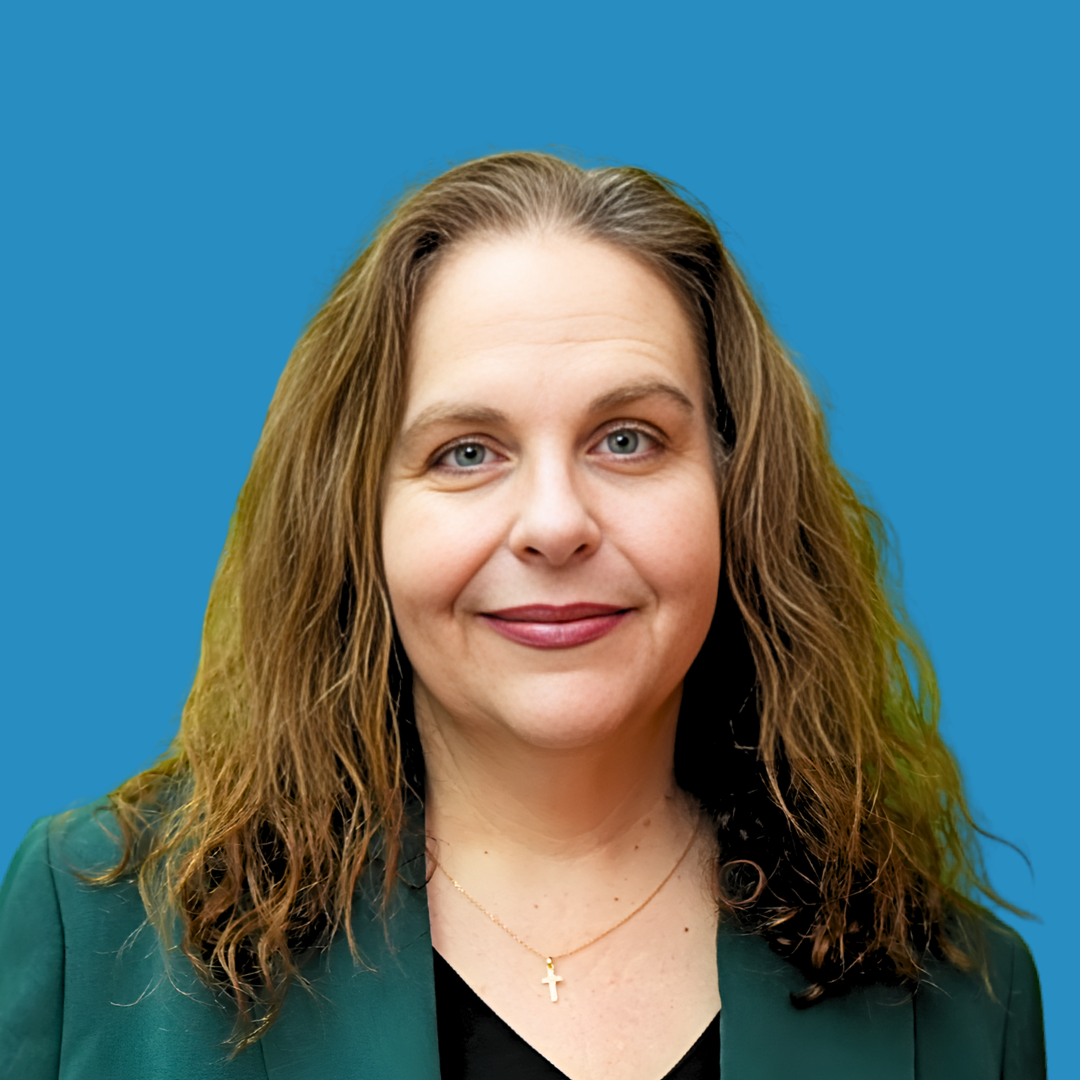
Kelly Illuzi
(Staffing and Recruitment Manager)
Building a Workplace Rooted in Inclusion…
Read the full article on Linkedin…
At PCCS, workforce development is about so much more than recruitment, training, or career advancement. It is about creating a workplace where people feel valued, supported, empowered, and inspired to grow both personally and professionally.
As an organization committed to supporting people with intellectual and developmental disabilities in their search for identity and acceptance, our work is rooted in the values of support, equity and acceptance.
June, 2026
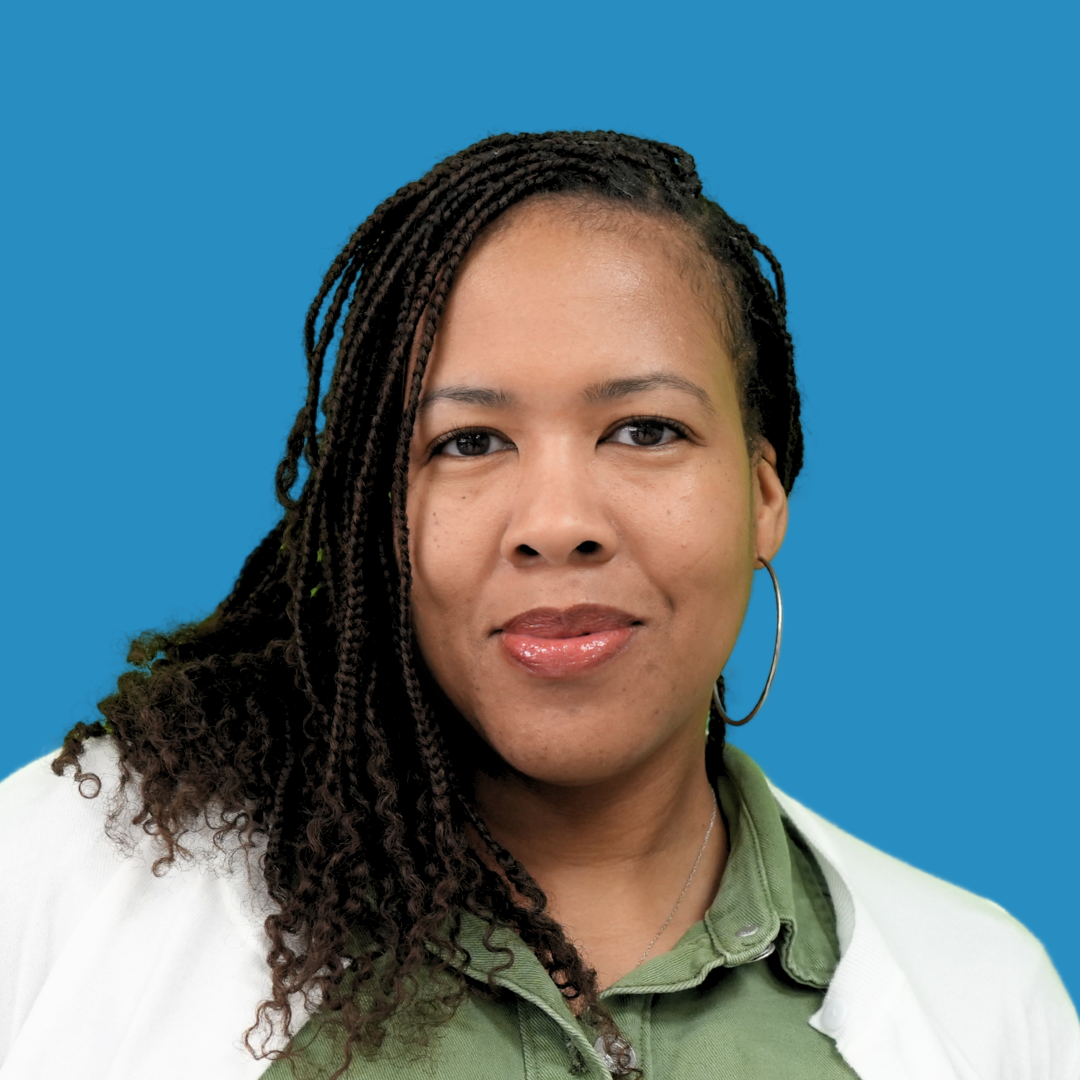
Lea Graham
(Division Director)
Inclusion: Growth Through Communication and Support
Read the full article on Linkedin…
I joined the PCCS team in 2025. One of the main reasons I left my previous employment was because I believed in the PCCS mission and values, especially the focus on helping people live meaningful, self-directed lives.
To me, inclusion means making sure every person is heard, supported, and given the chance to grow. It also means believing in people, even when their strengths are not easy to see at first.
July, 2026
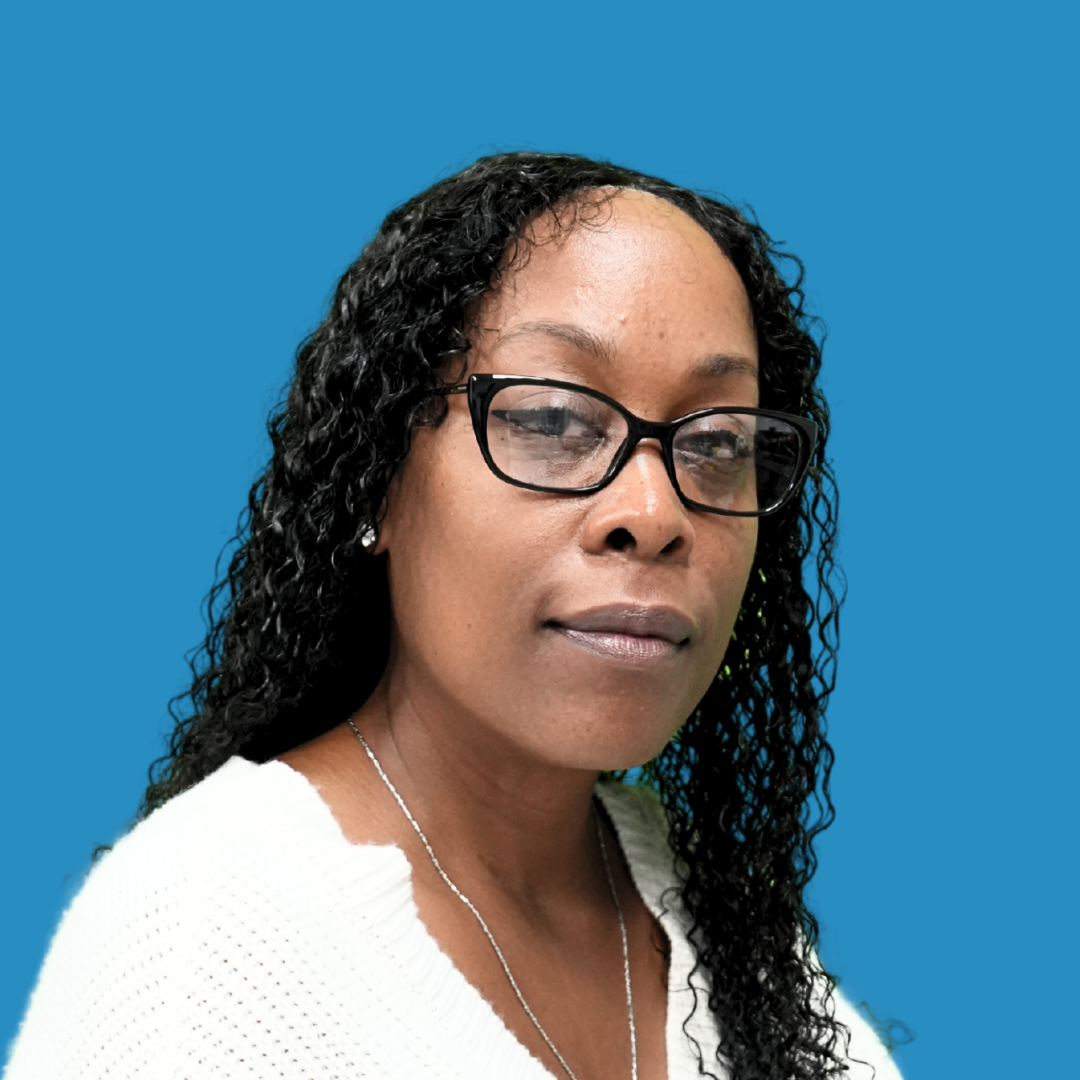
Michelle Toye
(Division Director of SDS)
Leadership & Independence at PCCS
Read the full article on Linkedin…
My name is Michelle Toye, and I am the Division Director of Self-Directed Supports at Person Centered Care Services. I began my career with PCCS in March 2015 as a Medicaid Service Coordinator (former title of a Care Manager) and have since served in several roles, including Fiscal Intermediary Assistant, Program Manager, Senior Program Manager, Director of Self-Directed Supports, and now Division Director. Throughout my career, I have been passionate about helping people exercise choice, build independence, and advocate for themselves.
July, 2026
Giovanella Stewart
Communications Specialist
Belonging in Action: How Interns Drive Change
Read the full article on Linkedin…
Five years ago, I started my career at Person Centered Care Services (PCCS) as an intern, eager to learn but unsure of where my career would lead. What I found was much more than an internship, I found a team of mentors who believed in my potential. I was encouraged to contribute ideas, take on new challenges, and grow professionally. Today, I have the privilege of helping tell the stories that showcase the impact of our work while supporting the next generation of interns beginning their own journeys.
August, 2026
cRis marchioNNe
MA (she/they), founder/executive director
Born to Belong: Building the Future of Disability Justice
Read the full article on Linkedin…
The next chapter of Disability Justice must move beyond access and compliance toward structural belonging. People with disabilities should not simply be served by the systems that govern their lives; they should have an active role in shaping them. True progress happens when voice becomes policy and participation develops into meaningful influence. It means ensuring people with disabilities are present wherever decisions are being made about their lives, communities, and futures.
This vision is at the heart of the Born to Belong campaign. As the movement grows, it has the potential to become more than a campaign—it can become a model for creating physical spaces and organizational cultures built around belonging from the ground up.
September, 2026